Is Cheyenne the right fit, or would you thrive with more space in a nearby small town? If you are weighing city convenience against country quiet, you are not alone. Many Laramie County buyers want shorter commutes and services, yet also crave privacy, acreage, or room for hobbies. In this guide, you will learn how lifestyle, commuting, housing, utilities, and long-term costs compare so you can focus your search with confidence. Let’s dive in.
Lifestyle priorities
Cheyenne convenience
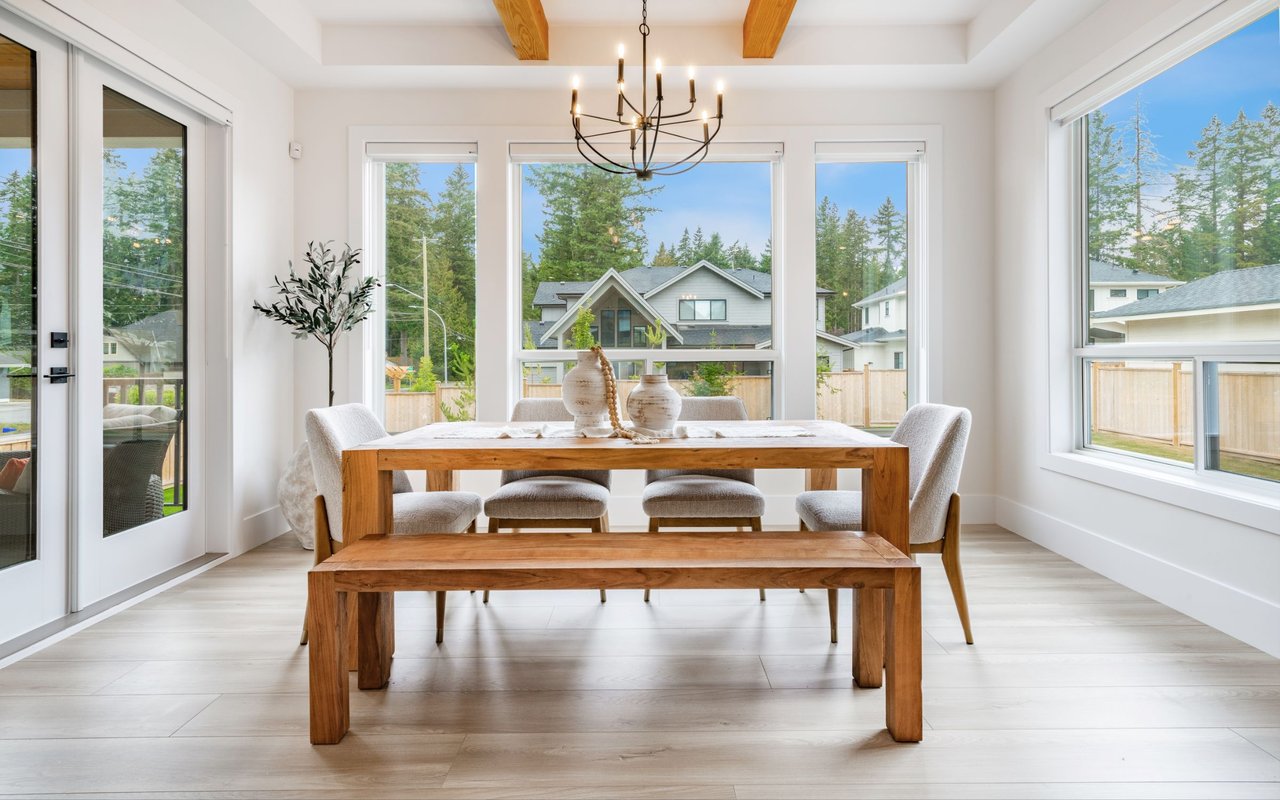
Cheyenne offers everyday convenience with supermarkets, restaurants, gyms, parks, cultural venues, and the region’s main hospital nearby. You will find a wider mix of housing, from historic neighborhoods to newer subdivisions, plus some townhomes and condos. If you value short errands, more dining options, and a social calendar close to home, Cheyenne supports that pace. It also works well if you split time between remote work and in-person meetings.
Pine Bluffs small-town hub
Pine Bluffs sits near open agricultural landscapes and delivers a slower, small-town feel. Retail and dining are more limited than Cheyenne, though you will find essential services and local spots. Many buyers choose Pine Bluffs for lower density and the ability to be closer to open space. It can be a comfortable middle ground if you want some amenities without full city living.
Burns, Carpenter, and Hillsdale country living
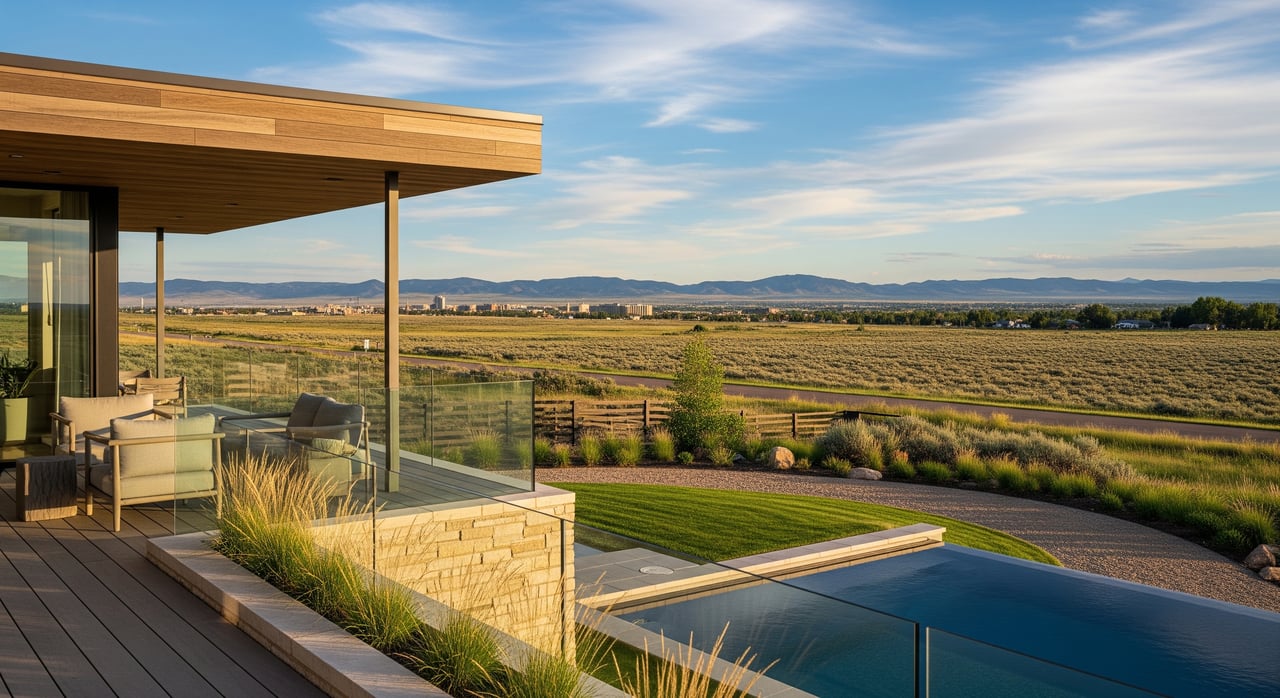
Burns, Carpenter, and Hillsdale lean strongly rural with acreage, ranch properties, and wide-open surroundings. You will likely see more outbuildings, barns, and unplatted parcels. Everyday retail and entertainment are minimal, so you plan trips to Cheyenne for most shopping and services. If privacy, horses, gardening, or hobby farming are priorities, these towns often deliver the space you need.
Commute and transportation
Many country residents commute into Cheyenne for work, shopping, appointments, and events. You will rely on personal vehicles because public transit options are limited outside the city. Drive times depend on the town, route, and weather. Winter conditions can lengthen travel and rural road closures can disrupt plans. Test your commute during typical rush times and, if possible, in winter to gauge reliability. Consider fuel, vehicle wear, and snow or ice risks as ongoing costs.
Housing types and lot size
Cheyenne has more smaller-lot single-family homes along with townhomes, condos, and newer subdivisions tied to municipal utilities. You may also find infill builds that offer modern features in established areas. In Pine Bluffs, you will see single-family and manufactured homes, plus larger lots in and around town. Burns, Carpenter, and Hillsdale often feature acreage, ranch setups, and homes with barns or equipment storage. With rural properties, plan for added upkeep such as fencing, driveway maintenance, and care for outbuildings.
Utilities and services
Utilities differ sharply between in-town and country properties. Inside Cheyenne, most homes connect to municipal water and sewer. Outside town, it is common to rely on a private well and septic system, which means testing and maintenance become part of your budgeting. Rural homes may heat with propane in addition to grid electricity, so delivery schedules and tank capacity matter. Broadband can vary in rural areas, and cell coverage can be inconsistent on some county roads. Snow removal and road maintenance levels also differ between city and county routes, which can affect winter access.
For rules on livestock, accessory structures, or other land uses, zoning is handled by city code inside Cheyenne and by Laramie County Planning and Zoning in unincorporated areas. Confirm the current rules for any property you are considering.
Schools, healthcare, and emergency services
Cheyenne offers multiple public schools, with assignment based on district boundaries. Nearby towns often have smaller schools or feed into county districts. If schools are a decision driver, verify exact assignment, bus routes, and transportation options for each address. For healthcare, Cheyenne hosts the region’s main hospital and specialist services. Small towns may have clinics or limited care, so factor travel time for appointments. Fire and EMS response times are generally faster in town. On acreage, check volunteer coverage areas and distance to stations and hydrants.
What drives price and value
Prices shift with supply, demand, and interest rates, so focus on the value drivers you can measure. Proximity to Cheyenne tends to increase demand for commuting buyers. Lot size and usable land raise value for lifestyle buyers who need pasture, outbuildings, or space to expand. Homes connected to municipal water and sewer can carry a premium because they reduce upfront costs. Updated, move-in-ready homes typically sell faster. All-season access on paved roads and winter reliability also influence buyer interest.
Rural cost trade-offs to expect
Country properties often pencil out as a lower price per acre or per square foot. The trade-off is higher ongoing and upfront costs for well and septic testing or repairs, propane, road or driveway maintenance, fencing, and outbuilding upkeep. Insurance can vary based on distance to hydrants, wildfire exposure, or other local risk factors. Resale can be slower in very rural areas since the buyer pool is narrower. Plan your holding horizon and have a marketing strategy that appeals to lifestyle-focused buyers.
Taxes and insurance notes
Wyoming has no state income tax. Property taxes and insurance vary by parcel and improvements. For precise tax data, consult county records for the specific address you are evaluating. When you shop for insurance on acreage, ask carriers about coverage for outbuildings, liability on land, and exclusions that could apply to rural risks.
Quick comparison at a glance
| Factor | Cheyenne | Pine Bluffs | Burns/Carpenter/Hillsdale |
|---|---|---|---|
| Lifestyle & amenities | City services, dining, parks, hospital | Small-town essentials, limited retail | Rural quiet, minimal retail |
| Housing types | Mix of historic, new builds, townhomes/condos | Single-family, manufactured, larger lots | Acreage, ranch setups, outbuildings |
| Utilities | Mostly municipal water/sewer | Mix of municipal and private systems nearby | Often well, septic, propane |
| Internet & cell | More options in town | Varies by location | Varies, may be limited |
| Commute reliability | Shorter local trips | Regular trips to Cheyenne for many needs | Regular trips to Cheyenne, winter planning |
| Emergency services | Faster response in general | Varies by proximity | Varies, check volunteer coverage |
Buyer due diligence checklist
- Commute test
- Drive your route during typical commute times. If possible, test in winter to assess road conditions and plowing patterns.
- Utilities and systems
- Confirm water source. If private well, request pump test data and water quality results. Verify septic permits and recent inspections.
- Ask about propane tank size, ownership, and delivery schedule. Confirm electric panel capacity and any needed upgrades.
- Check available internet providers and speeds. Verify cell coverage at the property.
- Access and boundaries
- Confirm legal access, recorded easements, and whether roads are public or private. Ask about road and driveway maintenance arrangements.
- Zoning and use
- Verify permitted uses and any limits on livestock, accessory units, or short-term rentals with the appropriate city or county office.
- Environmental checks
- Review floodplain status. Ask about drainage patterns, wildfire risk, and soil conditions that affect septic performance.
- Structures and improvements
- Verify permits for additions or outbuildings. Inspect the condition of barns, shops, fences, and well houses.
- Schools and services
- Confirm school assignment and bus routes. Locate the nearest grocery, pharmacy, urgent care, and fire station.
- Insurance and costs
- Obtain insurance quotes that account for acreage, outbuildings, and rural risks. Clarify coverage limits and exclusions.
- Resale outlook
- Review comparable sales for both in-town and nearby towns. Compare days on market and buyer profiles for your price range.
Which lifestyle fits you
Convenience-first buyer
If you want quick errands, diverse dining, and the shortest path to schools, healthcare, and events, Cheyenne is your likely match. You get municipal services and a wider range of home styles. This is a strong fit for busy schedules.
Rural lifestyle buyer
If your priority is privacy, space for horses or gardening, and the feel of open country, focus on Burns, Carpenter, and Hillsdale. You trade longer trips and more self-reliance for land and quiet. Make sure your budget covers rural systems and maintenance.
Value-focused buyer
If your goal is the best blend of cost and utility, explore Pine Bluffs and select in-town neighborhoods. You might find larger lots or lower price per acre in smaller towns. Weigh your commute and service needs against your monthly budget.
Retiree or semi-retired
If you prefer low density and a peaceful pace, the smaller towns can be a comfortable fit. Keep healthcare access in mind and map out regular trips for appointments. Cheyenne remains close enough for higher-level care and specialist visits.
Ready to compare properties
Whether you choose Cheyenne or country living, the best next step is a focused search guided by local data. You can narrow quickly by testing your commute, confirming utility setups, and reviewing comparable sales in both settings. If you want help balancing lifestyle and budget, reach out for a strategy session. Connect with Asha Vonburg to compare in-town and acreage options side by side and get your free home value report.
FAQs
What should I verify about wells and septic on rural properties
- Request recent well pump test data and water quality results, confirm septic permits and inspections, and budget for maintenance or upgrades.
How reliable is the commute from small towns to Cheyenne in winter
- Drive the route during typical hours and in winter if possible, and ask about county plowing schedules and any private road maintenance agreements.
What internet options can I expect outside Cheyenne
- Availability varies. Check local providers and confirm speeds at the property, and test cell coverage since some rural areas have limited service.
How do utilities impact my budget when living on acreage
- Private well, septic, and propane can lower purchase price per acre but add ongoing costs for testing, maintenance, deliveries, and repairs.
Do schools differ significantly between Cheyenne and nearby towns
- School assignment depends on district boundaries. Verify the assigned schools and bus routes for the exact property address you are considering.
What factors most affect resale for rural homes around Cheyenne
- Usable acreage, all-season access, utility setups, outbuilding quality, and buyer demand for lifestyle properties influence time on market and value.