Thinking about selling your current Cheyenne home to move up, but not sure how to get every dollar you’ve earned out of it? You’re not alone. Many sellers in Laramie County overlook a few high‑impact steps that quietly chip away at equity.
In this guide, you’ll learn what most move‑up sellers miss, how the Cheyenne market behaves today, and the exact listing plan that protects your bottom line. You’ll also get a practical pre‑list checklist with typical costs so you can budget confidently. Let’s dive in.
Cheyenne market snapshot: set your strategy
Cheyenne home values sit in a broad band rather than a single number. Major aggregators recently showed medians ranging from the upper $360s to low $430s, with data through Jan 31, 2026. Median days to offer typically land in the mid‑20s to low‑30s. These platforms use different data models and time frames, which is why you see a range rather than one figure. Your street and micro‑neighborhood can perform differently, so lean on a local CMA for precision.
Two useful context points for planning:
- Wyoming’s overall property tax burden is among the lowest in the nation, which helps affordability on both sides of the transaction. See the state overview from the Tax Foundation’s Wyoming page.
- For local housing context like owner‑occupancy and median home value, check U.S. Census QuickFacts for Cheyenne.
Bottom line: price and prep to win attention early. Cheyenne listings that show well and launch with the right price tend to gather stronger traffic and more confident offers in the first two weeks.
What move‑up sellers often overlook
Pricing emotionally instead of strategically
If you set your list price based on what you “need” or what you paid, you risk overpricing and missing your prime visibility window. The first 7 to 14 days are when buyer interest is highest. Letting a listing sit often leads to later price cuts, which signal weakness to buyers and can reduce your net. NAR’s buyer and seller research underscores how critical correct pricing and early exposure are to outcomes. Review buyer activity and feedback at the one‑ and two‑week marks, and be ready to adjust per a written plan. See highlights in NAR’s buyer and seller profile.
Skimping on photos, floor plans, and 3D
Today’s buyers start online, and they expect high‑quality visuals. According to NAR’s staging research, photos, video, and virtual tours are among the most useful listing features for buyers and their agents. Listings with professional photography plus a floor plan and 3D tour earn more clicks, more time on page, and better in‑person showing conversion. If you skip these, you shrink your buyer pool before they ever step inside. Learn more from NAR’s report on staging and media impact.
Staging the wrong rooms, or not at all
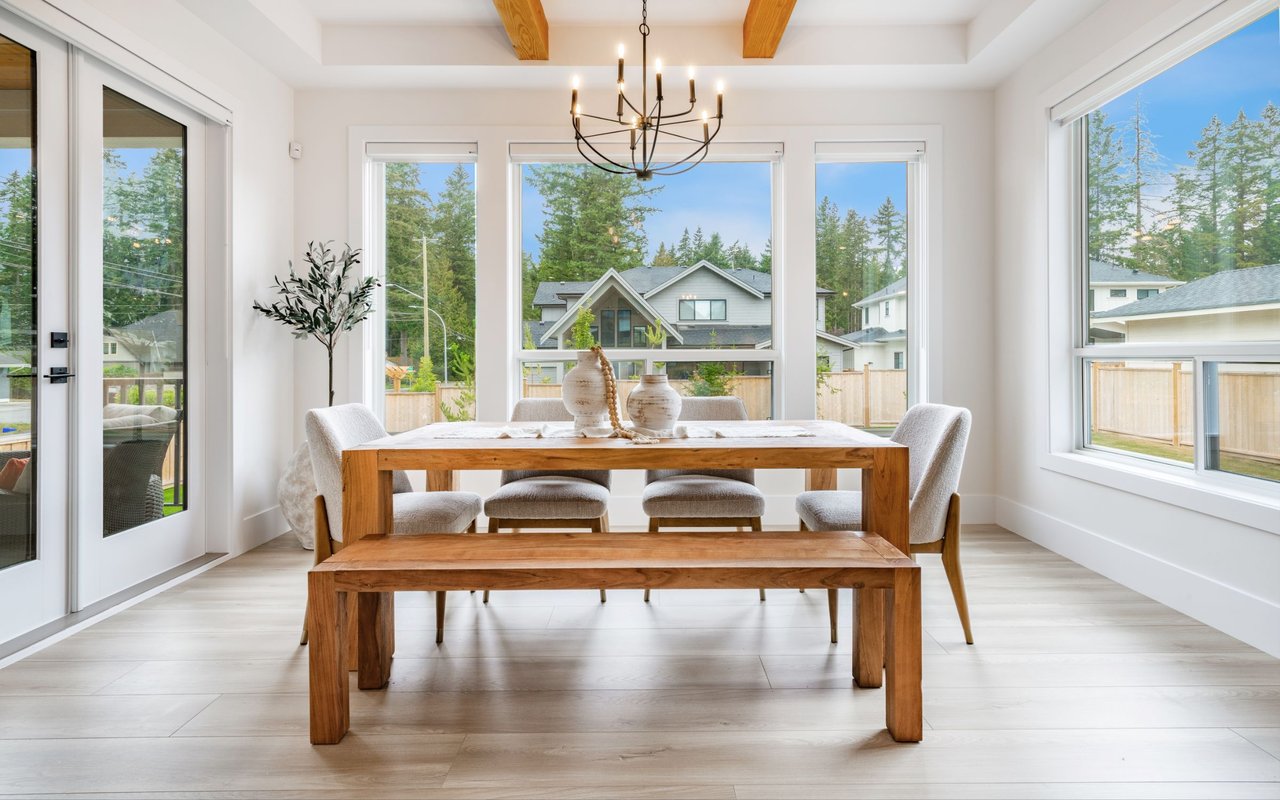
You don’t have to stage every inch of the house, but you should stage the highest‑impact rooms. Focus on the living room, the primary bedroom, and the kitchen. NAR’s staging data shows staged homes commonly reduce time on market, and many agents report higher offers for staged listings. The median spend for professional staging or a consultation is modest relative to its effect, especially compared with a potential price reduction. See the findings in NAR’s staging report.
Treating pre‑listing inspections as optional
If you uncover issues during the buyer’s inspection, you often face rushed repairs, credits, or a shaky deal. A pre‑listing inspection flips that script. It lets you find and address items on your timeline, disclose proactively, and market with confidence. That reduces late‑stage renegotiations and increases buyer trust. Explore the advantages in Spectora’s guide to pre‑listing inspections.
Pouring dollars into the wrong upgrades
Big, custom renovations rarely return dollar‑for‑dollar at resale. National Cost vs. Value data shows exterior curb‑appeal projects and targeted minor updates tend to recoup the most, while major, upscale overhauls recoup less. If your budget is limited, start with high‑ROI curb appeal, light interior refreshes, and fix‑it items buyers will flag in inspection. Browse current ROI trends at Cost vs. Value.
Missing Cheyenne‑specific buyer signals
Local buyers often value heating efficiency, a functional mudroom or entry, storage and garage utility, and accurate details on recent system service. In winter, energy performance and comfort matter. Neighborhoods perform differently, so use a local CMA and market knowledge to pick your prep priorities.
A listing plan that protects your equity
Price with a written 7–14 day plan
- Build a CMA that compares your home to recent, nearby, similar properties.
- Set a launch price designed to generate strong first‑week traffic.
- Review showing volume, online engagement, and feedback at 7 and 14 days with pre‑defined adjustments. See the importance of this early window in NAR’s buyer and seller profile highlights.
Inspect and repair before you list
- Order a pre‑listing inspection and address safety, roof, HVAC, plumbing, and moisture issues proactively.
- Consider targeted scopes like sewer or radon when advised.
- Use your report for selective repairs or transparent disclosures. Learn the benefits in Spectora’s pre‑listing overview.
Stage and invest in pro‑grade media
- Stage the living room, primary bedroom, and kitchen. Declutter, deep clean, and neutralize paint.
- Book professional photography, a measured floor plan, and a 3D tour. These elements boost qualified interest and help out‑of‑area buyers engage confidently online. See media impact in NAR’s staging report.
Maximize reach with targeted marketing
- Ensure full MLS syndication and accurate listing data fields, including heating type, recent service, and utility notes.
- Pair a broker open and targeted social ads with your digital assets to drive local and relocation traffic. For tech usage trends, see NAR’s tech survey summary.
Prepare to negotiate from strength
- Pre‑define how you will weigh offers: price, financing strength, appraisal terms, inspection timelines, and closing flexibility.
- Decide in advance where you prefer credits vs. repairs.
- Keep your focus on net proceeds and certainty. See tradeoff insights in NAR’s buyer and seller profile highlights.
Time your sale with your next purchase
- Explore options like rent‑backs, contingency timing, or short‑term housing.
- Coordinate with your lender and agent so you are not rushed into a costly decision.
High‑ROI prep for Cheyenne sellers
Staging priorities that move the needle
- Stage the living room to showcase circulation and seating zones.
- Create a calm, hotel‑clean primary suite with fresh bedding and lighting.
- In the kitchen, declutter counters, update pulls and lighting if dated, and add a light, neutral paint refresh. NAR’s staging research supports focusing dollars where buyers feel them.
Curb appeal first
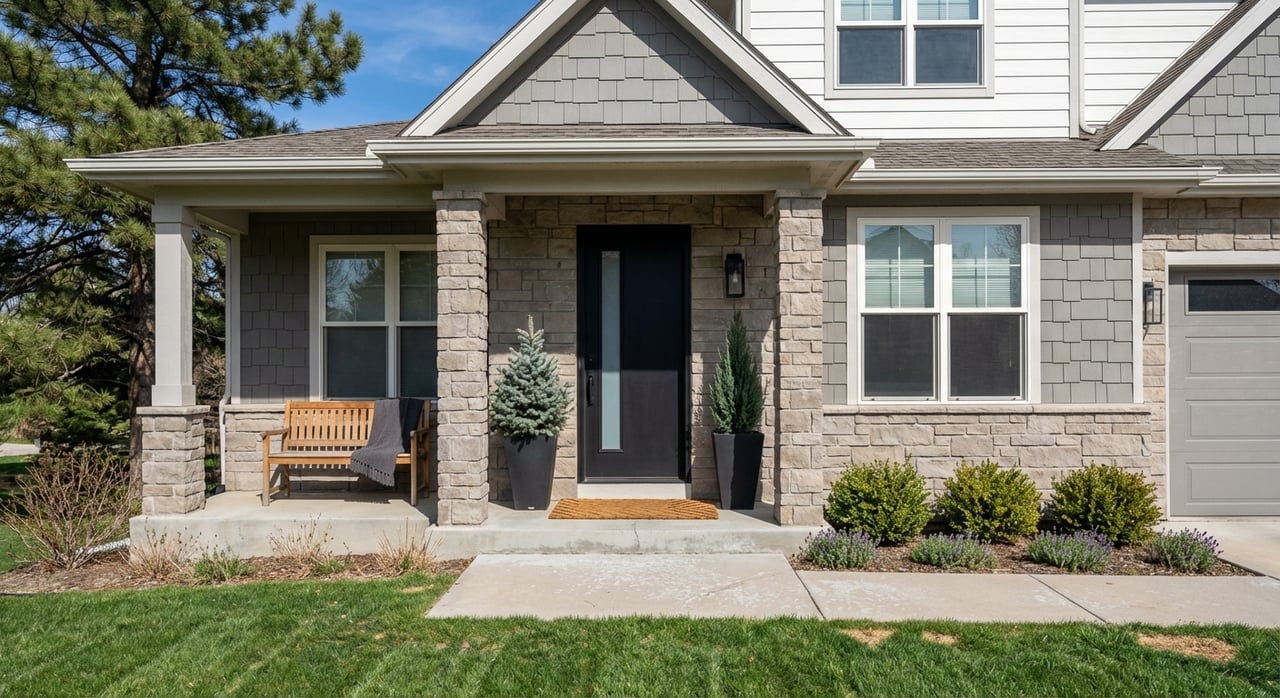
- Prioritize projects with the strongest recoup: garage door replacement, a fresh entry door, and tidy landscaping.
- Power‑wash, mulch, edge beds, paint the front door, and update house numbers or lighting. For ROI trends, see Cost vs. Value.
Comfort and energy cues buyers notice
- Service your furnace and document it. Replace filters and note recent maintenance in the listing.
- Seal, insulate, and consider window updates where aging units hurt comfort. Energy‑minded updates often show solid recoup in Cost vs. Value.
Your 6–8 week pre‑list checklist
Use this simple timeline to keep your prep on track and your budget focused.
6–8 weeks out
- Order a pre‑listing inspection; add sewer or radon checks if recommended. Typical cost: about $300–$500, depending on home size and add‑ons. See benefits in Spectora’s guide.
- Begin decluttering, deep cleaning, and small fixes. Budget $500–$3,000 depending on scope.
- Meet your agent to review a CMA, pricing band, and a 7–14 day review plan. See strategy context in NAR’s buyer and seller profile highlights.
2–4 weeks out
- Book professional photography, floor plan, and a 3D tour. Typical local bundles run $300–$900, vendor dependent.
- Schedule a staging consultation or partial stage. Typical ranges: consultation $300–$800; partial to full staging $1,200–$4,000, depending on size and duration. See impact ranges in NAR’s staging report.
- Tackle curb appeal projects with top recoup, guided by Cost vs. Value.
Listing week
- Launch with 24–30 high‑quality photos, a floor plan, a 3D tour, and clear, benefit‑focused copy.
- Ensure MLS fields are complete and accurate, especially systems, age, and recent service.
- Pair MLS syndication with a broker open and targeted social ads to drive showings. See adoption trends in NAR’s tech survey summary.
Offer evaluation
- Verify buyer pre‑approval or proof of funds, appraisal and inspection timelines, and closing flexibility.
- Compare offers on net proceeds and certainty, not list price alone.
The takeaway for Cheyenne move‑up sellers
You protect your equity by getting five things right: smart pricing in the first two weeks, pre‑listing inspections and targeted repairs, professional staging of key rooms, pro‑level visuals, and intentional marketing. Layer in Cheyenne‑specific buyer cues like comfort and energy performance, and you put yourself in the best position to sell smoothly and move up with confidence.
If you want a clear, local plan tailored to your home and neighborhood, reach out. I’ll show you what to fix, what to skip, and how to price to win your first two weeks without leaving money on the table. Ready to see where you stand today? Get your free home value report with Asha Vonburg.
FAQs
How should I price my Cheyenne home in 2026?
- Use a CMA with recent, nearby comps and commit to a 7–14 day review window; if showings and offers lag, adjust per a written plan informed by NAR’s buyer and seller profile.
Are pre‑listing inspections worth it for sellers in Cheyenne?
- Yes; they surface issues early, reduce renegotiations, and boost buyer confidence, which protects timeline and net, as outlined in Spectora’s pre‑listing guide.
Which upgrades return the most before selling?
- Focus on curb appeal (garage door, entry door), light interior refreshes (paint, lighting, hardware), and comfort items; review current ROI data at Cost vs. Value.
Do I really need professional staging?
- Staging targeted rooms often shortens time on market and can lift offers according to NAR’s staging research; a consult is a budget‑friendly starting point.
How fast do Cheyenne homes go under contract?
- Market pace varies by neighborhood and price band, but recent medians are in the mid‑20s to low‑30s days to offer; use a local CMA to calibrate your specific window.
How do I buy and sell at the same time?
- Coordinate timing with your agent and lender; consider rent‑backs, contingency timing, or short‑term housing so you avoid rushed decisions that could erode proceeds.